
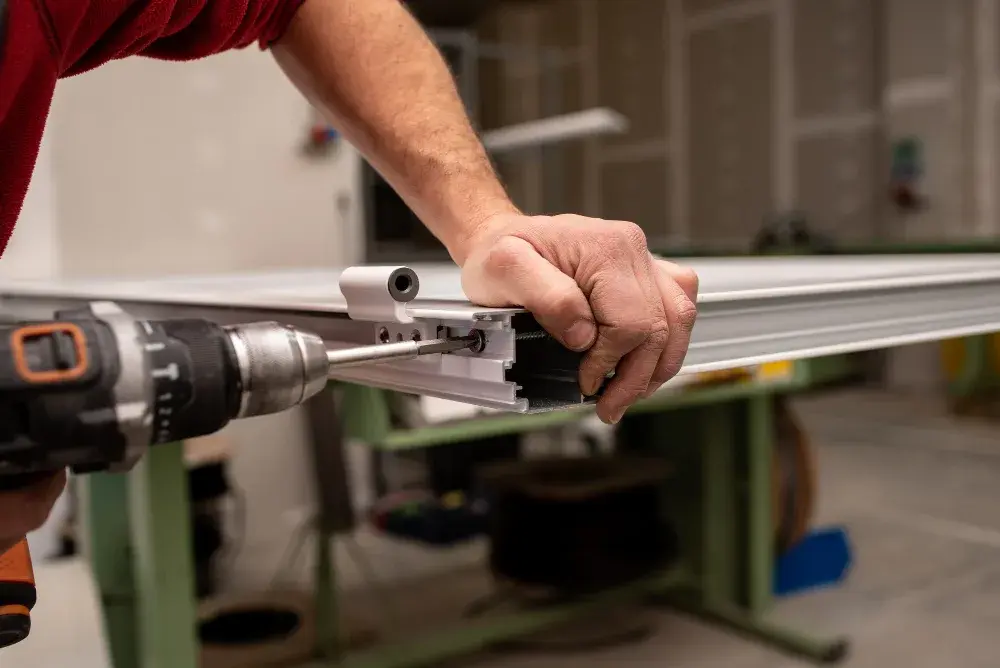
You’ve measured the opening, picked a style you like, and now there’s one question left before you commit: how much of your day (or week) is this actually going to eat up? Most homeowners picture a crew showing up, swapping panels, and driving off a couple hours later. Sometimes that’s exactly how it goes. Other times, the door itself takes longer to arrive than the installer takes to put it in, and that gap is where most of the confusion around “installation time” actually comes from.
On-site installation for a standard residential garage door typically takes 3 to 5 hours, assuming the opening is in good shape and no structural repairs are needed. The bigger variable most people overlook isn’t the install itself; it’s how long the door takes to arrive and get scheduled after you order it.
Two Timelines, Not One
There’s the installation appointment, and there’s the project timeline. Confusing the two is where most bad estimates come from.
Timeline 1: The install appointment. This is the crew at your house removing the old system, mounting the new one, balancing it, and testing it. During this process, the technician may also inspect the spring system and related hardware, especially if you’re wondering how long garage door springs last and whether the existing components are suitable for continued use.
Timeline 2: The project lead time. This covers everything before that appointment even gets scheduled: confirming measurements, ordering the correct door, waiting on manufacturer stock, and finding an open slot on the calendar.
A stock door can sometimes be installed within days of ordering. A custom size, finish, or insulation package can push that out considerably longer, especially during peak spring and fall demand. Ask your installer for both numbers: installation hours and expected arrival window, not just one.
What Actually Happens During Installation Day
A proper install isn’t just lifting panels into a track. In a single appointment, a crew is usually handling:
- Removal of the old door, tracks, and hardware
- Inspection of the framing and mounting surfaces
- New track and panel installation
- Spring and cable tensioning
- Opener mounting or reconnection (if included)
- Balance and travel adjustment
- Safety sensor and auto-reverse testing
- Final walkthrough with the homeowner
Skipping or rushing any of these, especially spring tensioning and balance, is how a door ends up sagging, grinding, or reversing unpredictably a few months down the road. A faster install isn’t always a better one.
What Stretches the Timeline
Every job has a baseline, but several things reliably add hours:
Old hardware fights back. Rusted bolts, warped tracks, or a door that was patched together over the years takes longer to remove cleanly than one that comes apart as intended.
The opening needs work first. If the framing or mounting surface is damaged, that has to be corrected before a new door can be properly secured; no reputable installer skips this step just to hit a time estimate.
Size and weight. Oversized, insulated, or heavier doors need more careful handling and adjustment than a standard single-car door.
Adding an opener. Mounting the rail, wiring, setting up sensors, and programming a remote adds real time, even when it’s bundled into the same visit.
Surprises after removal. Occasionally an installer finds something incorrect before modifications, deteriorated wood, or non-standard dimensions that nobody could see until the old door came off. This is normal, not a red flag, as long as it’s explained clearly.
Garage Door Opener Installation Time
If you’re pairing a new opener with the door, plan for extra time beyond the base install. usually another hour or so, depending on whether it’s a straightforward swap or requires new wiring, rail mounting, or additional adjustments.
The types of garage doors you choose can also influence the opener setup. Different door weights, track configurations, and operating systems may require specific opener adjustments to ensure smooth and balanced operation. That is why the opener should be matched to the door rather than treated as a separate, one-size-fits-all installation.
Bundling the door and opener into one appointment is almost always more efficient than scheduling them separately. Your installer can complete the mechanical setup, connect and program the opener, adjust travel limits, test the safety sensors, and make sure the entire system works together before leaving.
Can You Install a Garage Door Yourself?
It’s physically possible, but it’s worth being honest about what it involves. Garage doors carry high-tension springs and cables that can cause serious injury if mismanaged, and getting balance and travel wrong affects both safety and how long the system lasts.
DIY installation time is also notoriously hard to predict; a job that takes a trained crew half a day can stretch into a full weekend once you factor in measuring twice, sourcing the right hardware, and correcting mistakes as you go. For most homeowners, the time saved by hiring out a professional garage door installation outweighs what a DIY attempt saves in labor cost.
How to Shave Time Off the Appointment
A few things on your end genuinely speed things up:
- Clear vehicles, tools, and stored items away from the door and surrounding walls
- Flag any known issues sticking, uneven movement, an unreliable opener before the crew arrives
- Confirm exactly what’s included in the visit (door, opener, old-system removal, final testing)
- Build in a little buffer if you have somewhere to be right after; even well-run jobs occasionally uncover something once the old door is off
How Long Will Your Garage Be Out of Commission?
For most standard replacements, the garage is only unavailable for part of a single day, not multiple days. If you need a vehicle inside that morning, or have another contractor working nearby, it’s worth coordinating around the install window in advance rather than assuming it’ll wrap by a specific hour.
Frequently Asked Questions
Q.1 Does a full garage door replacement take longer than installing one in new construction?
Not usually. Replacement adds a removal step first, but an experienced crew typically finishes a standard swap within the same general window. Extensive existing damage is what changes that math.
Q.2 What slows down garage door installation the most?
Framing or mounting damage discovered after the old door comes off is the most common delay, followed by non-standard opening dimensions and difficult access to the work area.
Q.3 Can I use the garage right after installation?
Yes, once the door has been balanced, tested, and cleared through its safety checks, your installer should confirm this before leaving, not just hand you the remote.
Q.4 How far in advance should I schedule installation after ordering?
It depends on whether the door is in stock or custom-ordered. Ask your provider for a specific arrival window rather than a general estimate, especially if you’re ordering during a busy season.
Q.5 Is it worth installing an opener at the same time as the door?
Usually yes. Bundling the two into one appointment is more efficient than paying for two separate visits, and it avoids leaving the system half-finished in the meantime.
Q.6 What should I check before the crew leaves?
Ask them to walk you through balance, travel, and safety sensor testing, and make sure you understand basic care going forward, not just how to open and close the door.
Getting a Real Timeline Instead of a Guess
There isn’t one universal number that fits every home. What changes the outcome is the condition of your existing opening, the door you’ve chosen, whether an opener is part of the job, and how the current season is affecting order lead times. If you’re planning a replacement, schedule your free estimate so a professional can assess your garage, explain the expected installation timeline, and help you plan around the work.
The Door Guys has been installing, replacing, and servicing garage doors since 1996, and we’d rather walk your specific garage and give you a real window than recite a generic estimate. If you’re weighing options first, our breakdown of garage door installation cost and overview of sectional garage door types are good next reads, and if a spring or cable issue is part of what’s prompting the replacement, it helps to understand how long garage door springs typically last before you decide what to replace.